Aug 26, 2026

Aug 26, 2026
SETEC POWER has deployed an integrated renewable energy, battery storage and EV charging system at its factory in Anhui, China. Built around a 500 kWh EpowerHub battery energy storage system, the project connects wind and solar generation with factory backup power and employee EV charging in a real industrial setting.
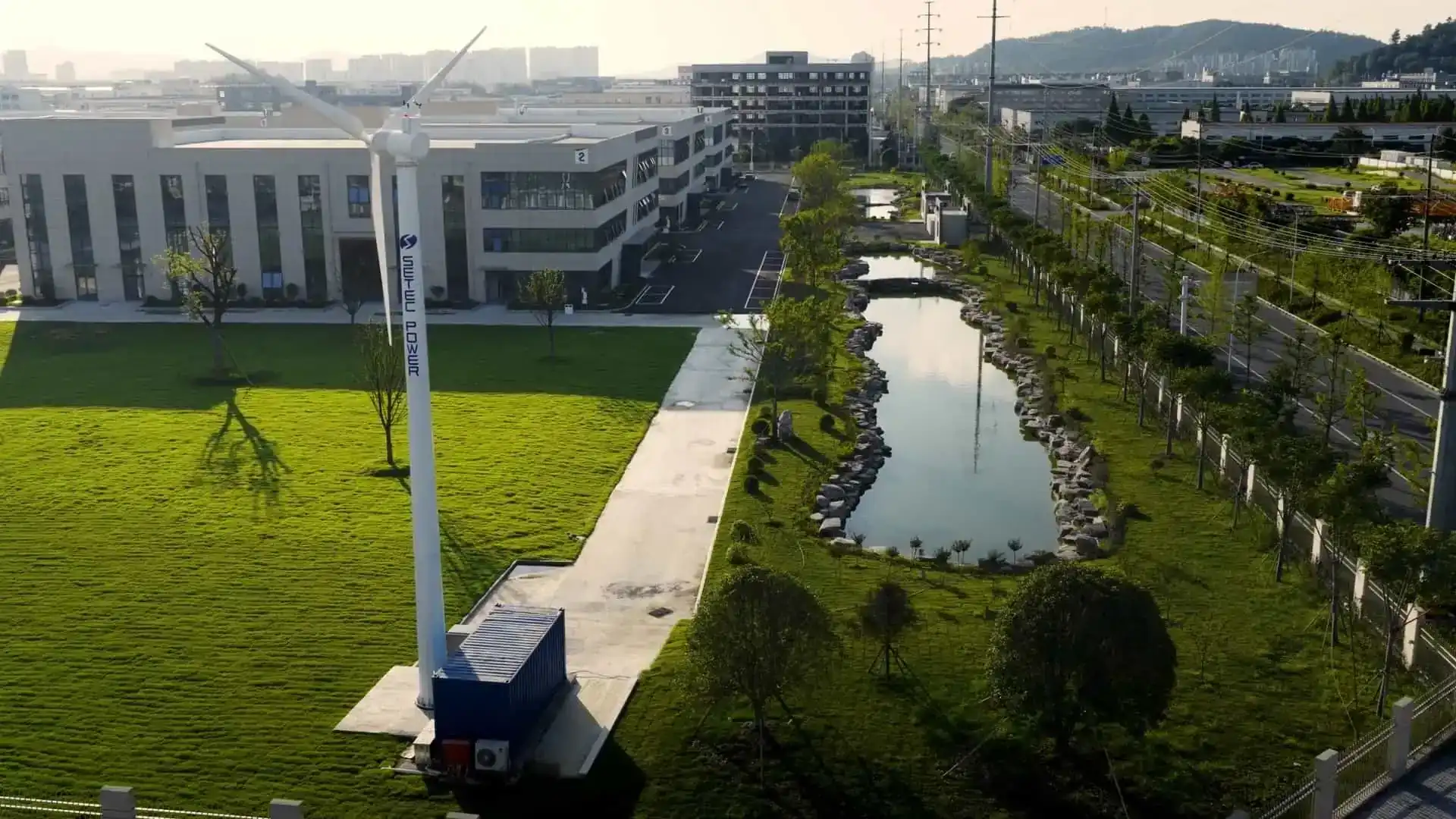
The system covers three stages: generating, storing and using energy. Wind and solar equipment generate electricity on site, EpowerHub stores and manages it, and the available power can support the factory or supply PowerAds DC chargers for employee vehicles.
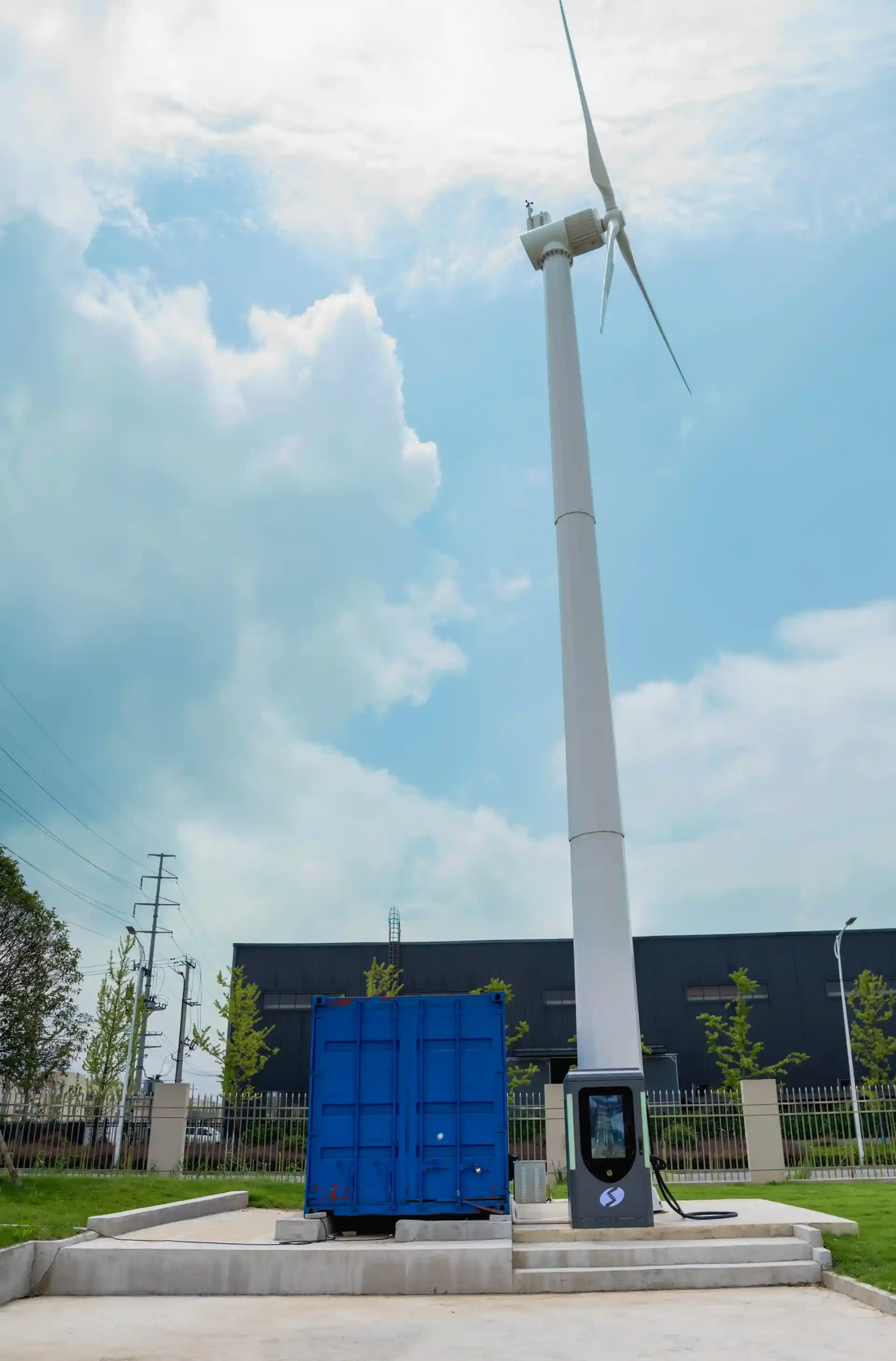
01|Wind and solar provide renewable electricity on site
The factory uses both wind generation equipment and a solar PV system. The PV modules are installed on the factory roof and entrance canopy, with a total installed capacity of approximately 60.7 kW. Both sources feed renewable electricity into EpowerHub.
02|EpowerHub connects generation, storage and factory power
The 500 kWh EpowerHub serves as the energy hub for the project. It stores electricity generated by the wind and solar systems and releases power according to the factory's operating needs, bringing on-site renewable energy into the factory's power system.
Alongside daily energy storage and regulation, EpowerHub adds backup power capability to the site.
If grid power is interrupted, the battery system can provide power support for the factory.
03|PowerAds extends the system to employee EV charging
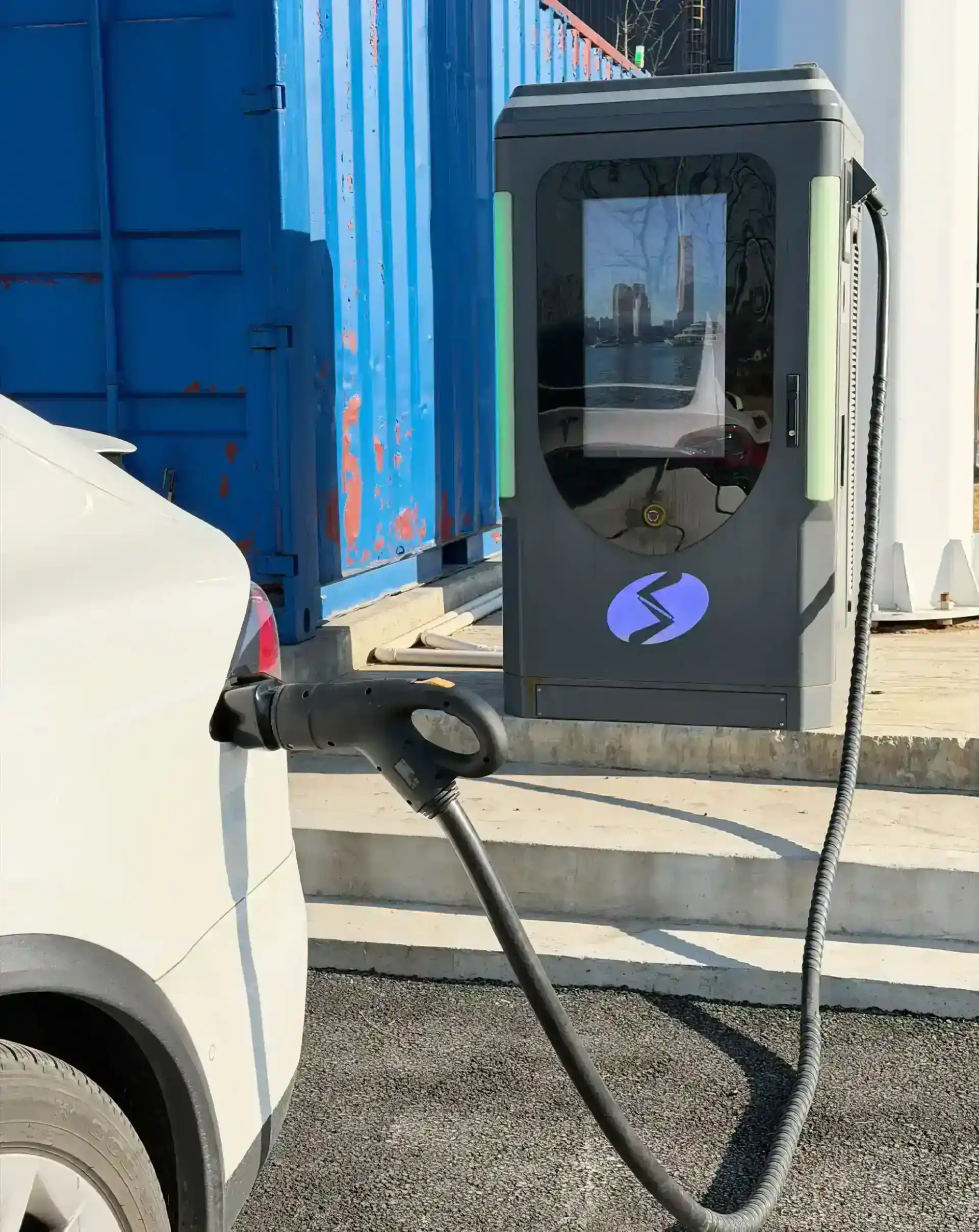
PowerAds DC chargers are installed in the employee parking area and connected to EpowerHub.
This connection allows stored electricity to be used for employee EV charging, extending the application of on-site renewable energy from factory power to electric mobility.
Greater power resilience | EpowerHub adds another layer of power support to the site. During a grid interruption, the battery system can support factory loads and reduce the operational risk of relying on a single power source. The supported loads and backup duration depend on the final system configuration.
A more unified energy infrastructure | Connecting wind power, solar PV, battery storage, factory power and EV charging within one energy architecture allows a company to plan these assets as a system instead of operating each installation separately.
A basis for energy cost optimization | Where time-of-use tariffs and suitable charge-discharge strategies are available, battery storage can shift part of the site's electricity use away from higher-cost or higher-load periods. This can support peak management and energy cost optimization, although the actual benefit depends on local tariffs, the load profile and the operating strategy.
Broader use of on-site renewable energy | Electricity generated by the wind and solar systems can support both factory operations and employee EV charging. This gives the company a practical way to extend renewable energy use across industrial and mobility applications within the same project.