Sep 21, 2026

Sep 21, 2026
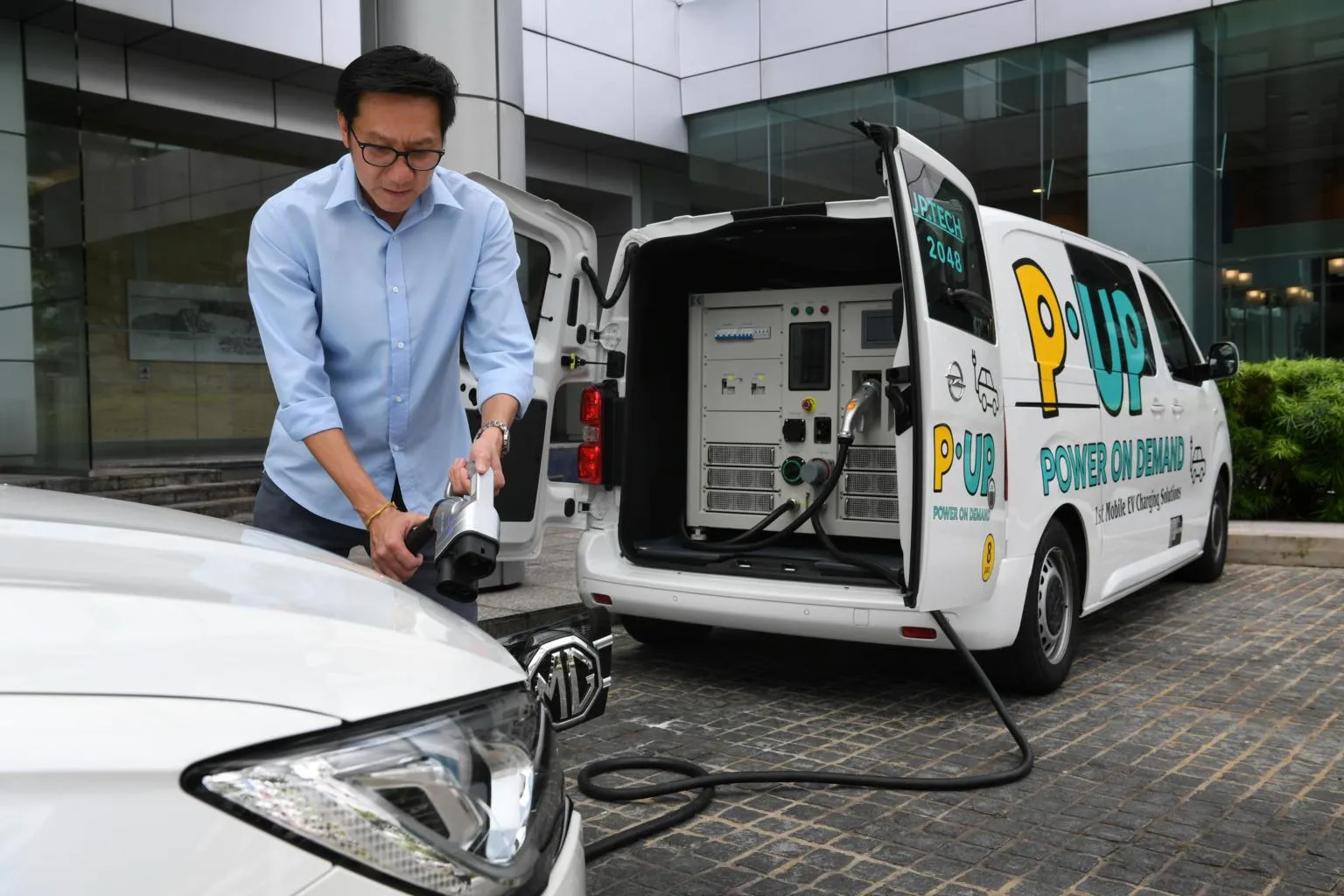
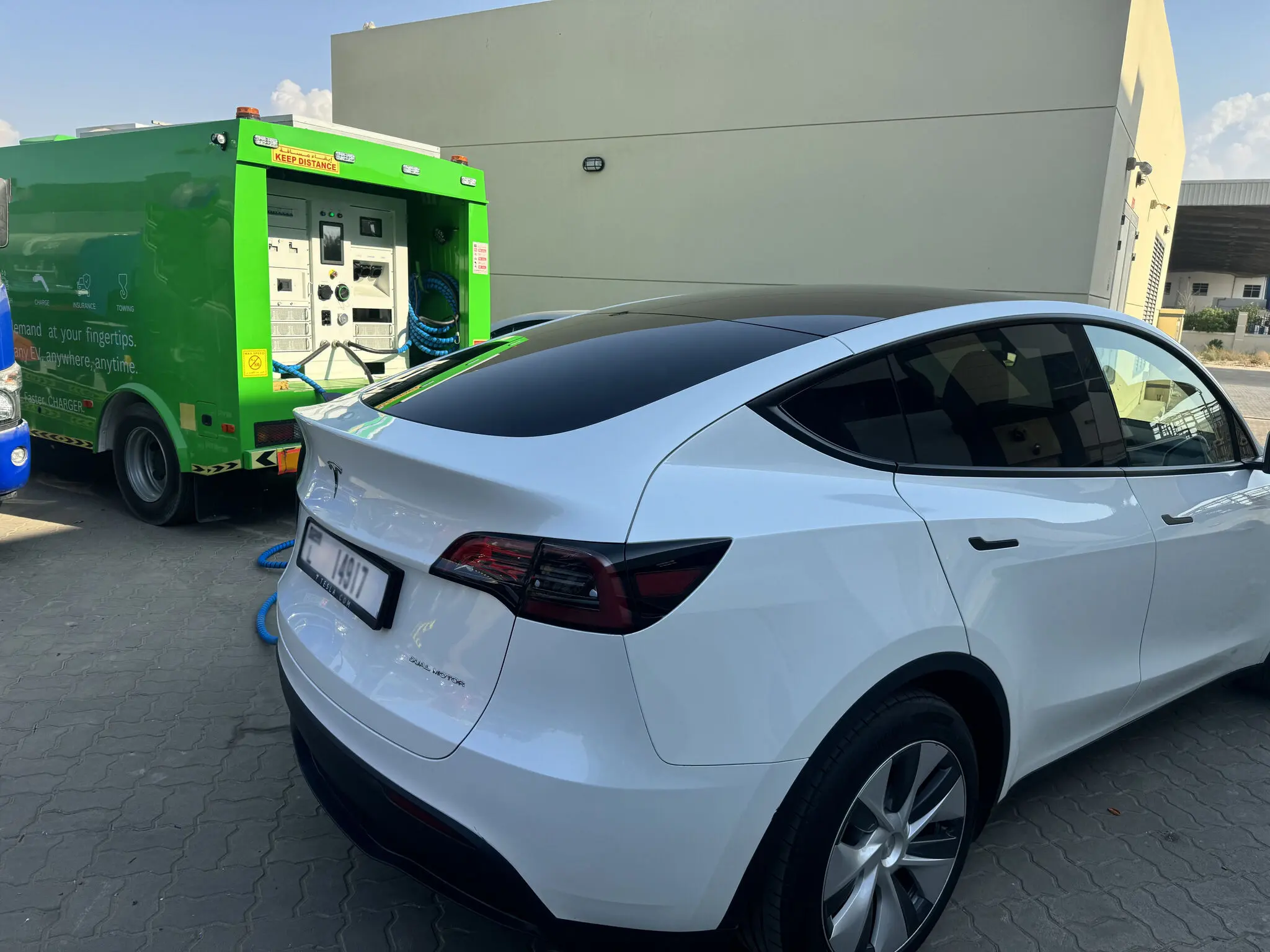
For EV owners who cannot easily reach a fixed charging point, on-site charging can provide a practical alternative. Instead of requiring the vehicle to travel to a charging station, a mobile unit can be dispatched to the vehicle’s location and deliver charging there.
Power Up Tech (P.Up) is a Singapore-based EV service company. For vehicles parked without convenient access to charging facilities, or with insufficient battery charge to reach a nearby fixed charger, P.Up developed a service model that brings charging directly to the vehicle.
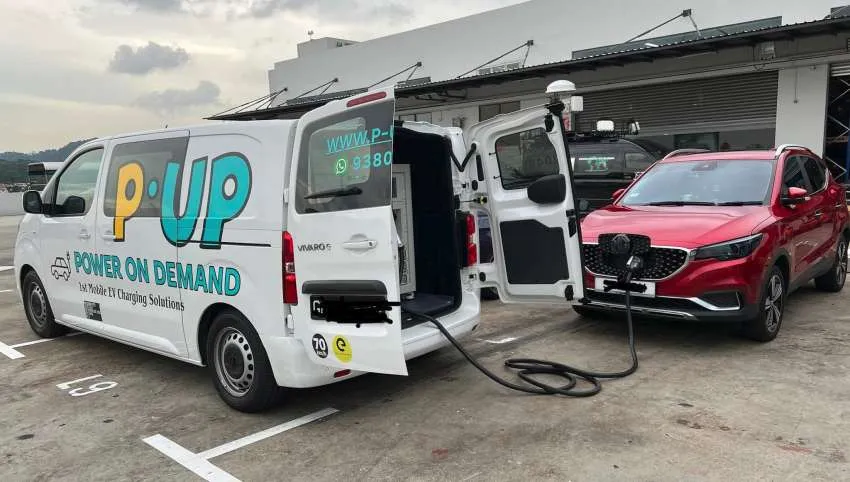
Because service locations are not fixed, the equipment needs to support vehicle-based deployment, transport between locations and fast setup on site. Once it arrives, it must be able to charge the vehicle directly without depending on fixed charging infrastructure.
Some service locations may not have an available power supply. The equipment therefore needs built-in energy storage so that charging can take place without an on-site power source. Different EV models also use different charging connectors, making connector compatibility important for day-to-day service operations.
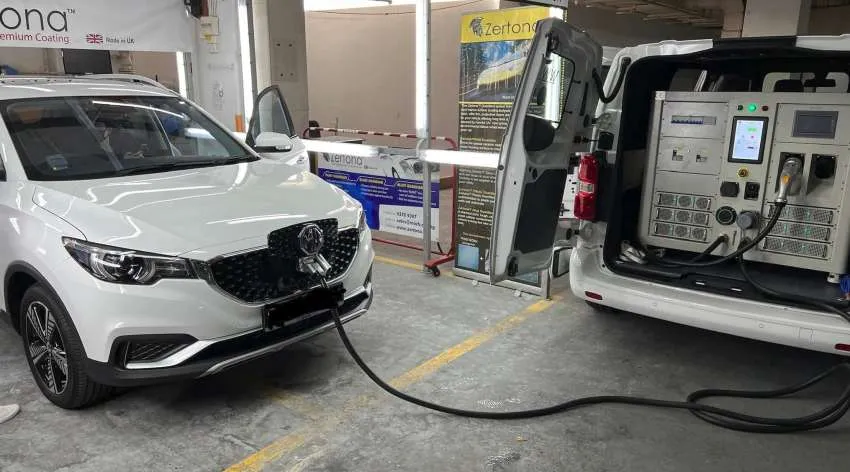
For this mobile service model, SETEC POWER provided P.Up with a 52 kWh PowerOnTheGo mobile charging system, integrating energy storage and DC fast charging into a vehicle-mounted unit. The 52 kWh figure refers to stored-energy capacity, while the system’s reported DC charging power is 50 kW.
The unit can travel with the service vehicle to different locations and charge EVs without an on-site power supply. Its CCS2 and CHAdeMO connectors support the vehicle types served by P.Up, allowing one mobile system to cover different connector requirements.
Public reporting on the service cites the following typical operating figures. Actual service performance can vary with the vehicle model, starting state of charge, target state of charge and site conditions.
· Around 30–60 minutes per service
A typical on-site visit can charge an EV to approximately 80% state of charge (SoC), according to the cited report.
· Up to two EVs per stored-energy cycle
One unit can serve up to two EVs during a single stored-energy cycle before returning for recharging and the next deployment. The actual number depends on vehicle type, starting charge and service demand.
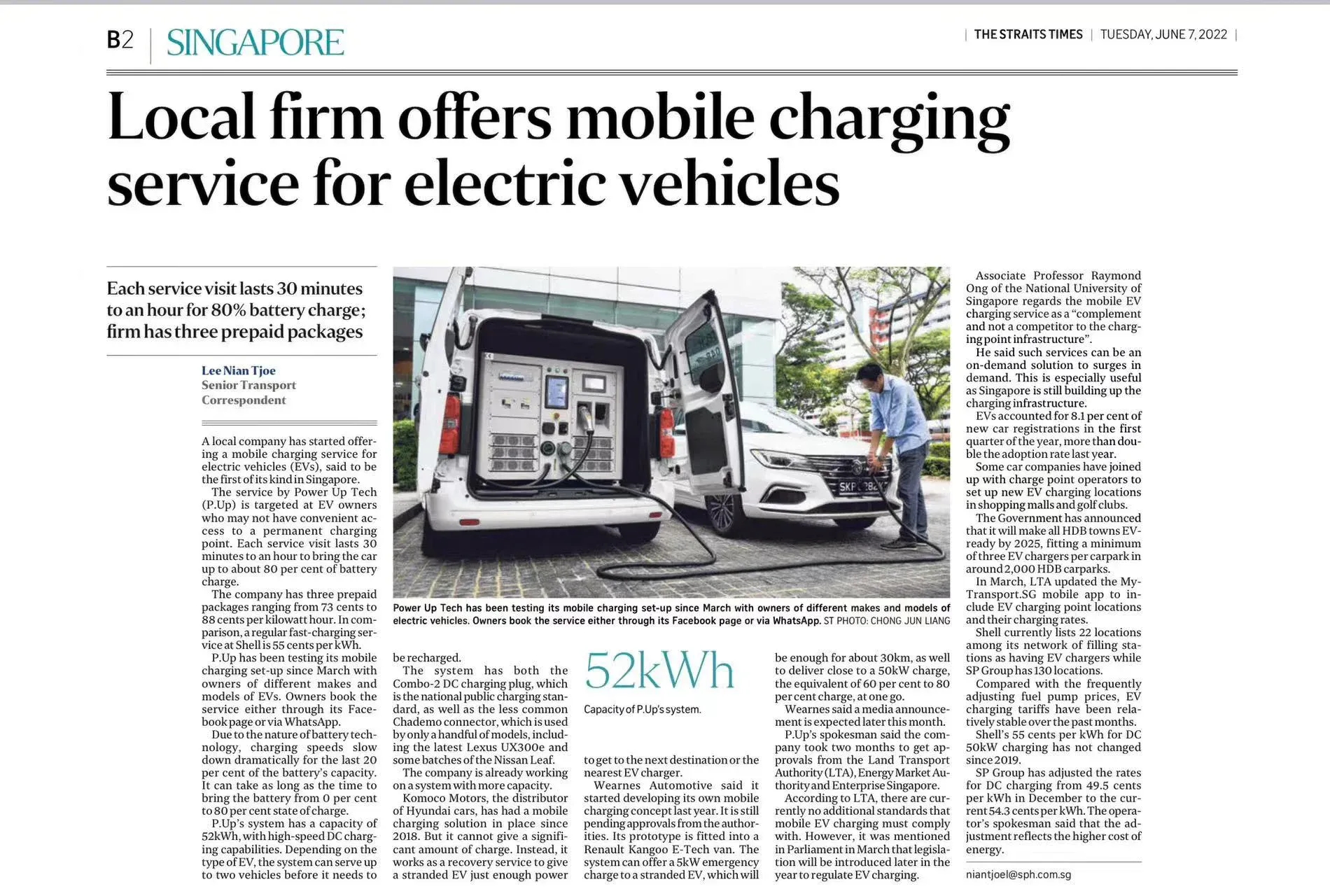
PowerOnTheGo enables P.Up to extend DC charging services from fixed locations to the vehicles themselves. The operator can dispatch a mobile unit when a vehicle needs on-site support, rather than requiring every vehicle to reach a fixed charging point first.
This gives P.Up a more flexible way to serve locations where fixed charging is unavailable, inconvenient to access or beyond the vehicle’s practical reach. The combination of onboard energy storage and CCS2/CHAdeMO compatibility also helps place different service requests within one mobile operating model.