Oct 06, 2026

Jul 07, 2026
To buy the right EV charger in 2026, look past basic brand names and focus on smart grid compatibility, strict safety standards (UL 2594/CE), and future-proof power specs. Standard residential 7kW to 22kW AC Level 2 chargers cost $350–$900, while commercial 30kW to 360kW+ DC fast charging stations range from $8,000 to over $60,000. Prioritize dynamic load balancing, OCPP 2.0.1 open protocols, and robust IP65 weatherproofing to secure the highest long-term ROI for home setups or commercial fleet infrastructure.
Having spent over three decades helping industrial manufacturers translate hardware specs into real-world applications, I can tell you that the EV charging market has completely shifted. We are no longer just buying "glorified extension cords." Today, an EV Supply Equipment (EVSE) system is a sophisticated digital energy management node. If you buy a charger based solely on the cheapest price tag online, you will likely end up with an uncertified brick that bottlenecks your vehicle's onboard converter or compromises your local electrical grid.
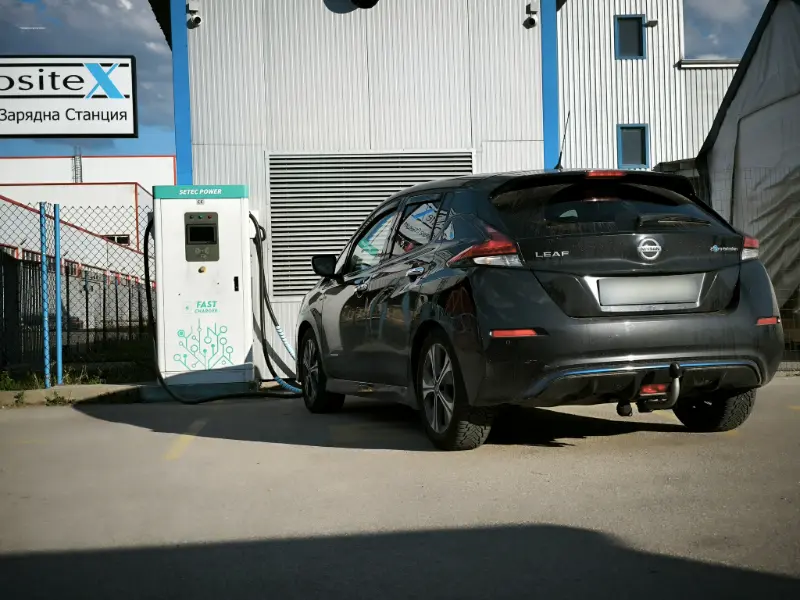
To buy an EV charger with confidence, you must first master the architectural split between Alternating Current (AC) charging and Direct Current (DC) fast charging. AC chargers rely on your vehicle’s internal onboard rectifier to convert power, making them ideal for overnight or long-stay workplace parking. DC fast chargers bypass the vehicle's onboard limitations completely, pumping raw electrical energy straight into the high-voltage battery matrix. This makes DC systems the baseline requirement for commercial fleets, logistics hubs, and highway service plazas.
| Charger Type / Level | Power Output Range | Typical Charging Speed | Primary Connector Formats |
|---|---|---|---|
| Level 1 (Residential AC) | 1.4 kW – 1.9 kW | 3–5 miles per hour | NEMA 5-15 (Standard Wall Outlet) |
| Level 2 (Home/Commercial AC) | 7.2 kW – 22 kW | 25–60 miles per hour | Type 2 (IEC 62196), J1772, NACS |
| DC Fast Charger (Compact) | 30 kW – 60 kW | 60–120 miles in 30 mins | CCS1, CCS2, NACS, CHAdeMO |
| High-Power Ultra DC Fast | 120 kW – 360+ kW | Full charge in 15–20 mins | CCS2, NACS (Liquid-Cooled) |
FAQ: Can any electric car use any type of EV charging station?
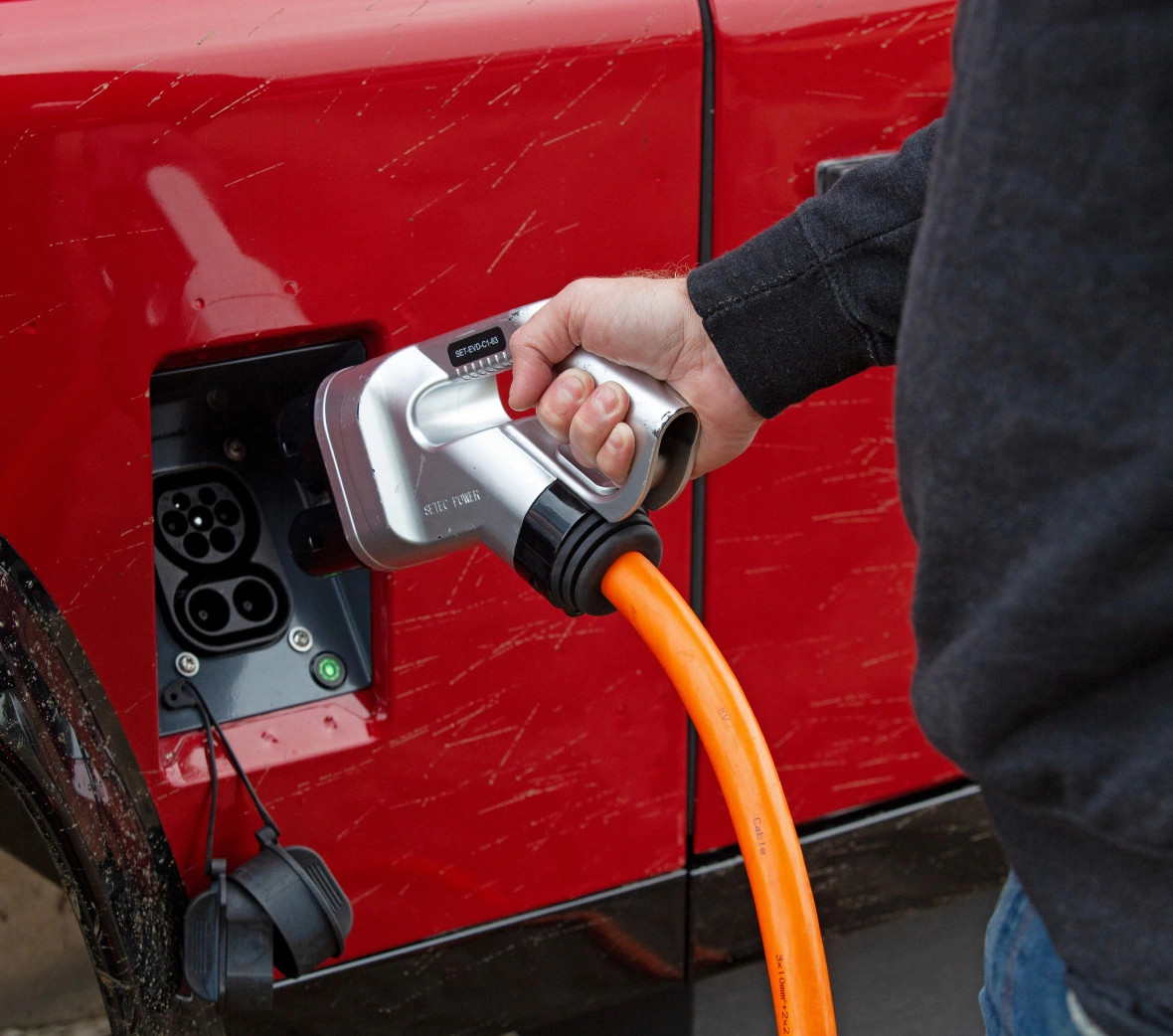
No, physical connector types vary by region and vehicle design. North America has rapidly consolidated around the North American Charging Standard (NACS/Tesla plug), while Europe uniformly enforces the Type 2 AC and CCS2 DC standards. Always check your car's intake port geometry, or buy a high-quality certified adapter to ensure seamless cross-platform communication.
Let's talk dollars, euros, and cents—because this is where rookie buyers get blindsided. When budgeting to buy an EV charger, the physical hardware is only part of the capital expenditure. Back in my early industrial consulting days, I saw clients buy massive machinery without realizing the local transformer couldn't support the load. The same rule applies here. A high-power commercial fast charger requires a serious investment in electrical infrastructure, utility upgrades, civil engineering, and back-end network software management fees.
In 2026, hardware prices have stabilized due to scaling production lines, but installation costs vary drastically based on your existing infrastructure. If your electrical panel is located on the opposite side of the property from your parking spaces, trenching conduits through concrete will quickly outpace the cost of the charger itself. Furthermore, if you plan to charge commercial vehicles or collect payments from the public, you must factor in annual cloud subscription fees for the Open Charge Point Protocol (OCPP) software network.
| Application Tier | Hardware Cost (Avg) | Installation Cost Range | Key Software Expenses |
|---|---|---|---|
| Residential Level 2 | $350 – $800 | $500 – $1,500 | Free basic mobile app tracking |
| Commercial Level 2 (Dual Port) | $1,500 – $4,000 | $2,000 – $6,000 | $120 – $240 / port / year (OCPP) |
| Fleet / Depot DC Fast (60kW) | $12,000 – $20,000 | $8,000 – $15,000+ | Premium fleet management SaaS integration |
| Ultra-Fast Public Hub (240kW+) | $40,000 – $75,000+ | $25,000 – $50,000+ | Billing processing fees + cellular telematics |
FAQ: Why is installing a DC Fast Charger so expensive?
DC fast chargers pull immense currents directly from the medium-voltage grid. Installation costs scale upwards because they require specialized industrial step-down transformers, heavy-gauge copper wiring, thick concrete pads, and strict permitting approvals from your municipal utility provider to ensure you don't blow a local substation fuse.
If you take away nothing else from my decades in industrial procurement, remember this: the internal electrical build quality of your charger determines your long-term operating costs. A poorly insulated, cheap plastic unit will warp under the midday sun and corrode in freezing winter humidity. When browsing specifications, look for a minimum rating of IP65 or NEMA 4X weatherproofing. This ensures your electronics remain completely sealed against driving rain, blowing dust, and ice formation.
Crucially, as heavy power draw stresses local microgrids, your charger must feature Dynamic Load Balancing (DLB). This real-world technology automatically monitors your property's real-time power consumption. If your facility runs heavy machinery or your home air conditioner kicks on, the charger instantly throttles its power output to protect your main circuit breakers. For large commercial operations, integrating an advanced DC Fast Charger equipped with built-in localized load balancing prevents expensive peak-demand utility surcharges.
FAQ: What is OCPP and why should I demand it when buying a charger?
Open Charge Point Protocol (OCPP) is an open-source software standard that lets your hardware speak to any cloud management network. If you buy a closed, proprietary charger and that vendor goes out of business, your hardware becomes useless. Demanding OCPP 1.6J or 2.0.1 compliance ensures you can switch software providers at any time without buying new hardware.
Your physical installation footprint dictates your exact purchasing direction. Residential users want simple, intuitive operation, compact physical footprints, and smart charging automation features that prioritize charging when electricity rates are lowest. Look for smart home integrations that allow you to sync your vehicle charging schedule directly with your rooftop solar panel array, turning clean sunlight directly into zero-emission highway miles.
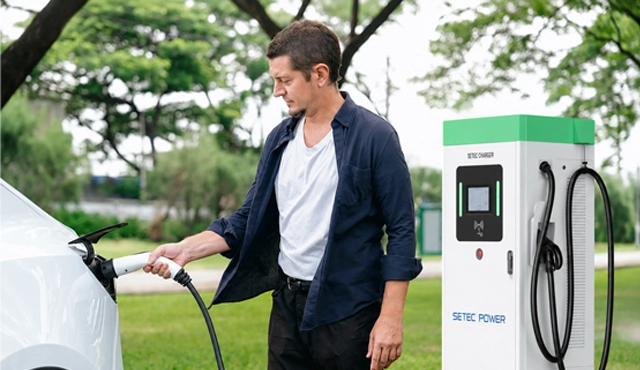
Commercial fleet operators, multi-family property managers, and retail destination planners operate under entirely different pressures. Commercial charging systems must feature rugged, vandal-resistant enclosures, integrated dual-port setups to optimize valuable parking real estate, and high-visibility credit card terminal payment processing. Utilizing high-efficiency, standardized infrastructure like a dedicated CCS Charger lets commercial property owners unlock new revenue streams while keeping dwell times short and customer satisfaction high.
As we navigate 2026, the global shift toward cleaner transport is moving at an incredible pace, and your charging setup needs to stay ahead of the curve. The hot topic right now is Bidirectional Charging, which includes Vehicle-to-Home (V2H) and Vehicle-to-Grid (V2G) technologies. Buying a forward-looking system with bidirectional capabilities allows your vehicle to act as an emergency backup generator for your facility, or even sell power back to the public utility grid during peak pricing spikes.
In conclusion, buying an EV charger should never be treated as a quick, low-cost purchase. It is a long-term infrastructure investment. By carefully aligning your vehicle's specific intake specifications with certified hardware, keeping installation logistics simple, and picking an open OCPP platform, you secure an asset that delivers exceptional reliability for years to come. Do not just buy for your current car; invest in the power, build quality, and software features that will easily handle the next generation of electric transportation.