Oct 06, 2026

Mar 06, 2025
1. Market Research and Demand Analysis
The success of any product begins with understanding market needs. Manufacturers start by conducting in-depth market research, gathering insights from EV users, station operators, and industry experts. This research helps identify key factors like charging speed, compatibility, and reliability. It forms the foundation for creating a detailed technical plan that aligns with various use cases, whether public or residential.
2. Designing the Appearance
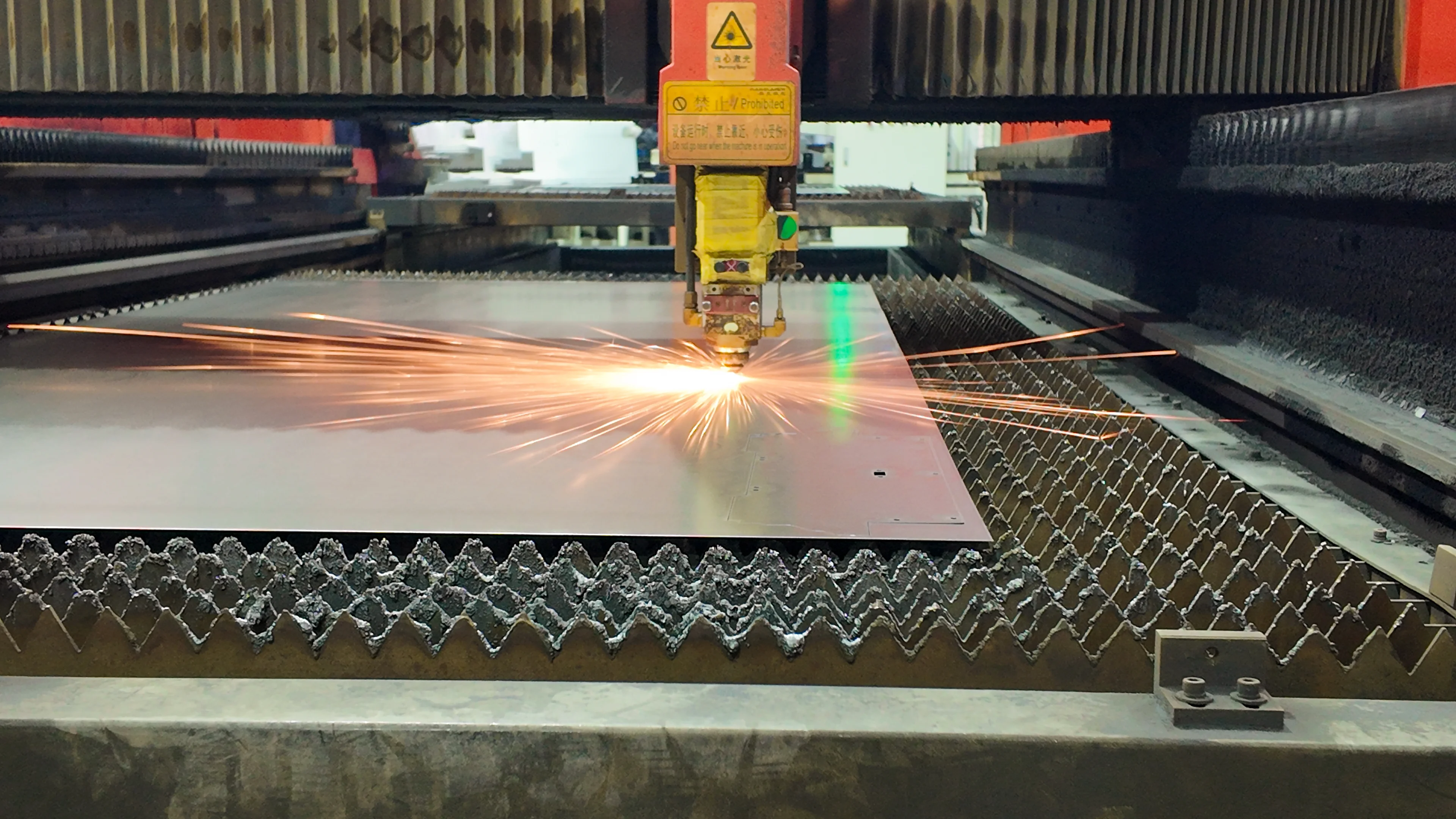
The design phase begins once the functional requirements are set. The appearance of the charging station is more than just aesthetic—it has to be practical, durable, and user-friendly. Engineers focus on optimizing electrical components and thermal management systems while ensuring the station remains robust even in harsh environments. An intuitive user interface is also critical for easy access to charging features.
3. Structural Design: Ensuring Durability and Reliability
The structural integrity of a DC charging station is vital to both performance and safety. Key considerations include:
Weather Resistance: Since stations are often outdoors, they must withstand water, dust, and corrosion.
Heat Dissipation: Effective thermal management is essential to prevent overheating and equipment failure.
Modular Design: This allows easier maintenance and upgrades, reducing downtime and repair costs.
Ergonomics: Charging ports, screens, and buttons must be strategically placed to enhance user experience.
Safety: Incorporating electrical isolation, insulation, and protective casings ensures user safety.
4. Functional Design: Optimizing Performance
Functional design ensures that the charging station performs efficiently while enhancing user interaction. This includes:
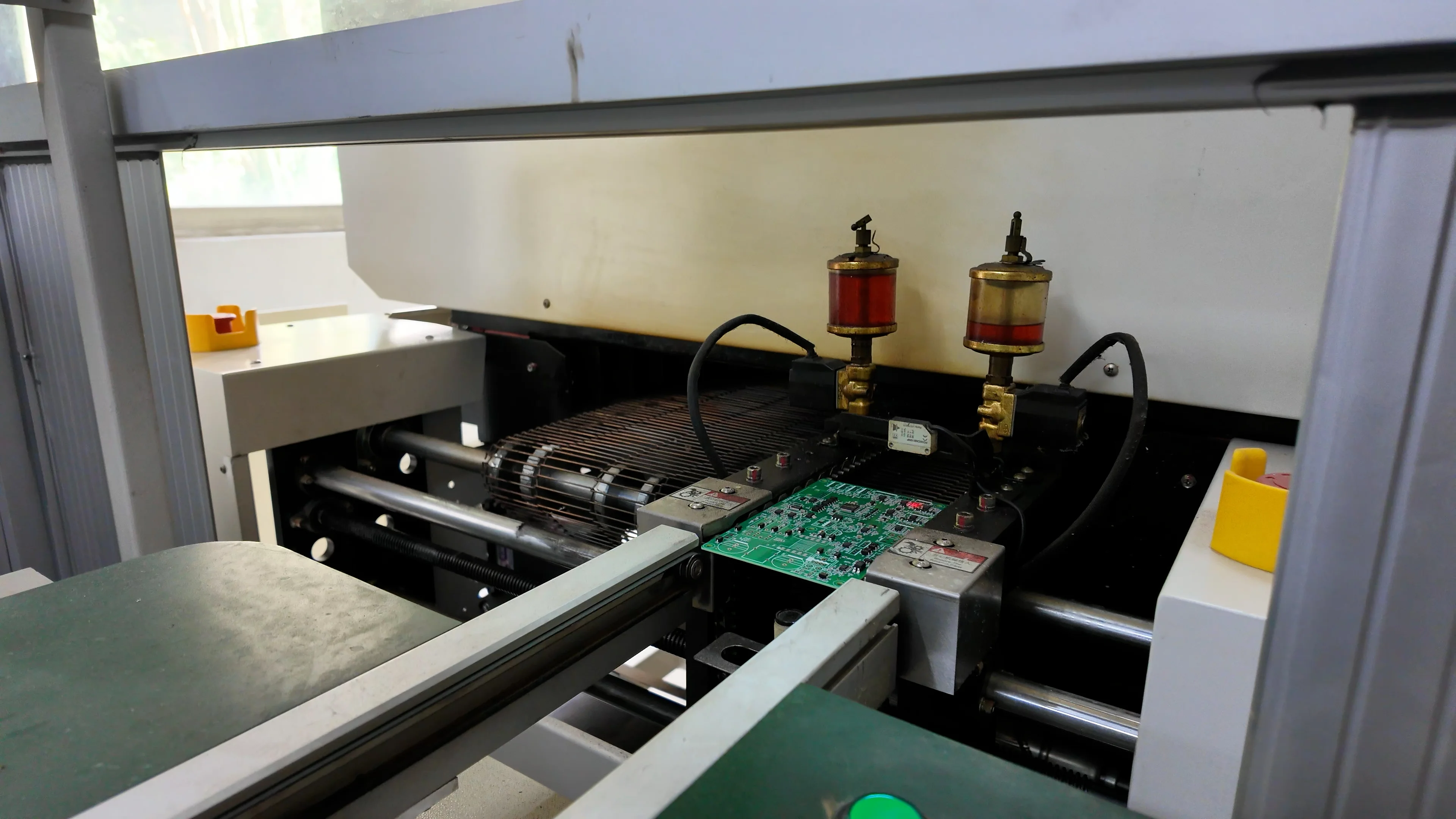
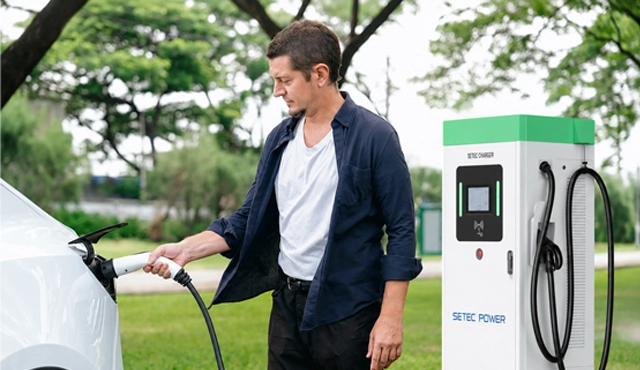
Charging Speed: DC fast chargers (e.g., 50kW or higher) offer quick power delivery, ideal for high-traffic areas. AC chargers, however, are more suitable for locations with longer parking times.
Smart Power Regulation: This feature allows the station to adjust output based on the EV’s battery capacity, ensuring safe and efficient charging.
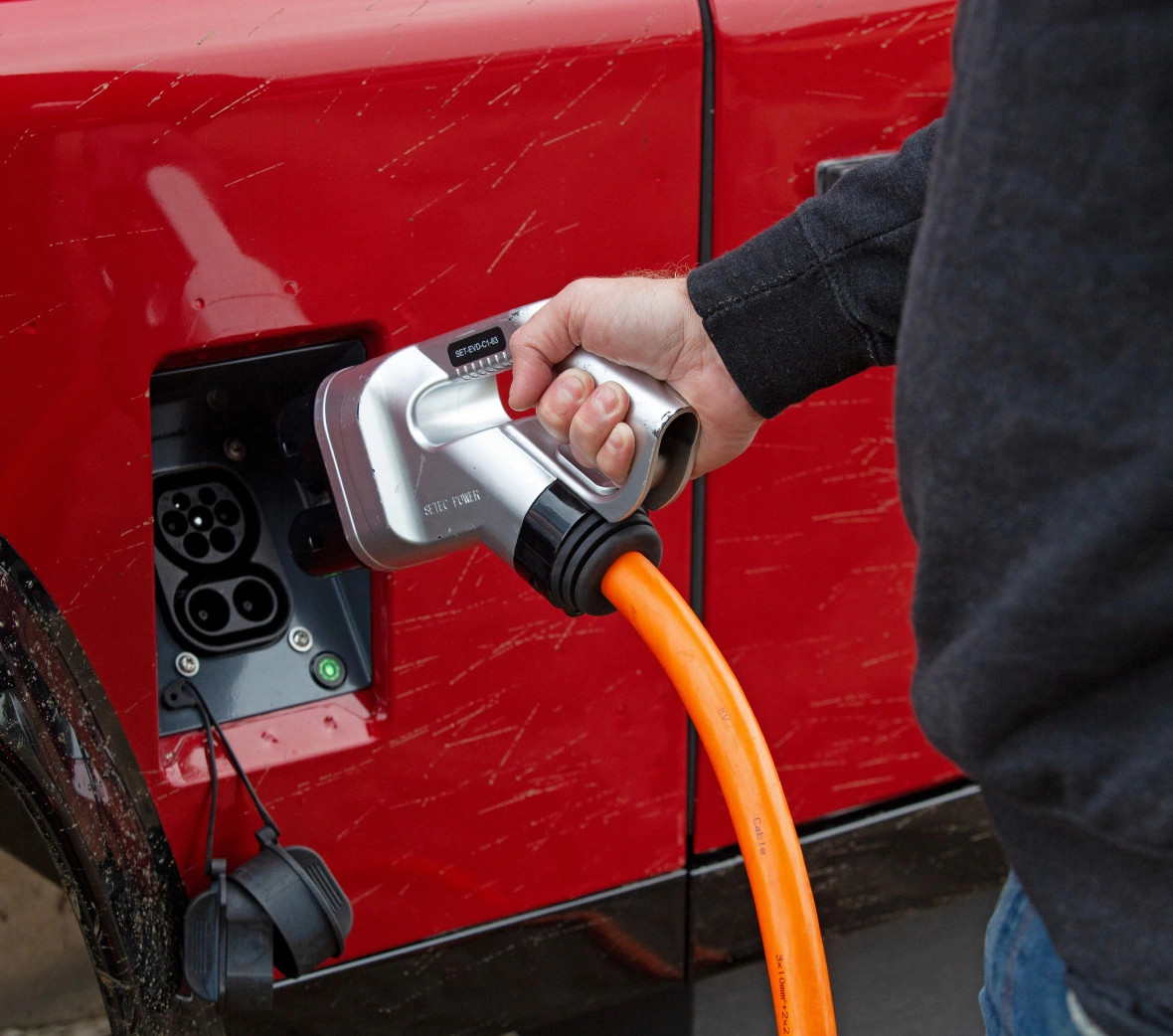
Compatibility: Charging stations must support different protocols such as CCS, CHAdeMO, and GB/T to ensure universal compatibility.
Intelligent Control: Real-time monitoring and control systems help optimize operations, manage power load, and enable smart payment and reservation features.
Safety Features: Overload protection, electrical isolation, and temperature monitoring ensure the station is safe for users.
5. Prototype Development and Testing
Once the design is complete, manufacturers develop a prototype for testing. Prototypes undergo tests to ensure they meet performance, compatibility, and safety requirements, including checks for charging speed and thermal management.
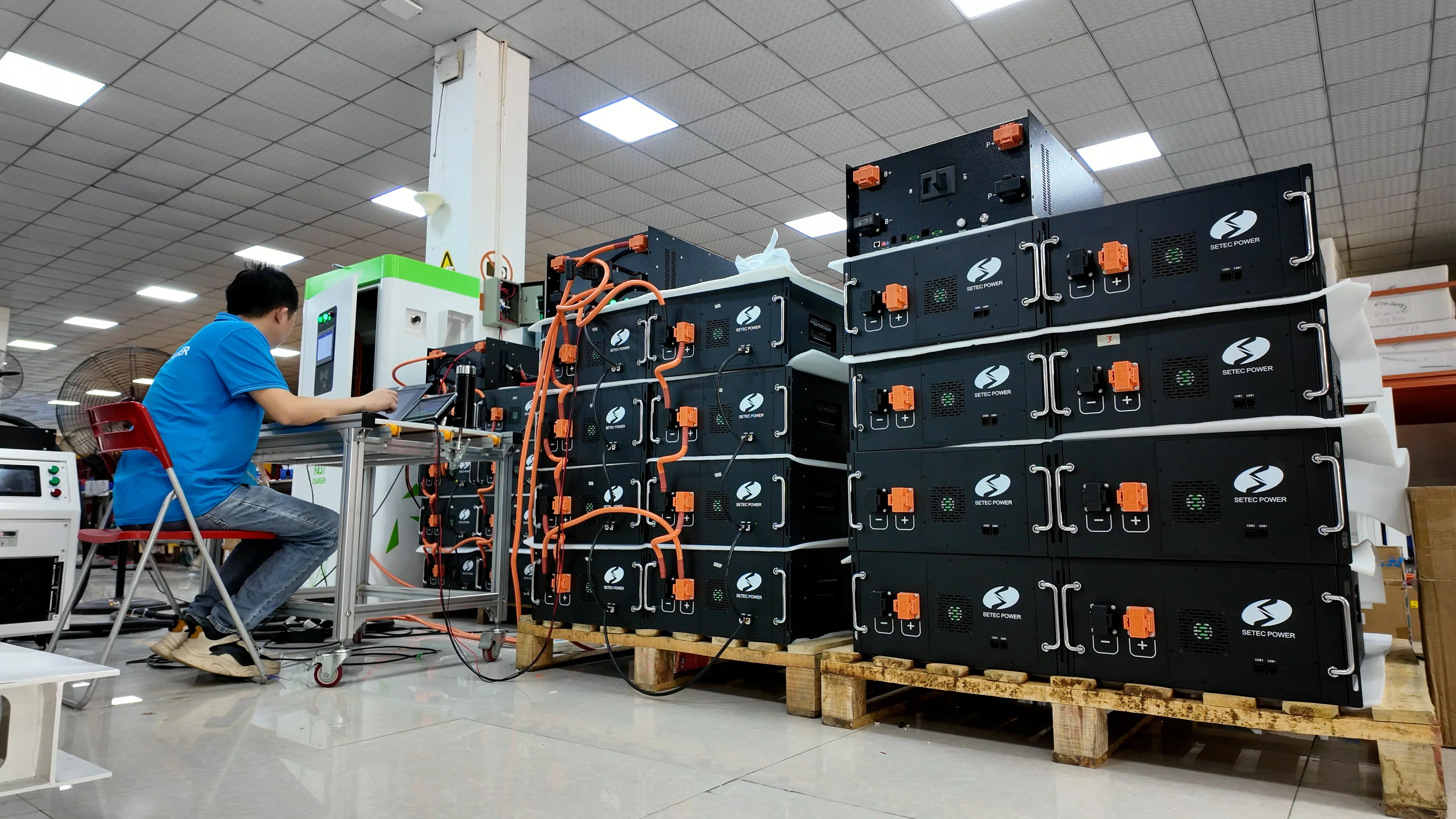
6. Material Inspection and Testing
Before moving to mass production, all materials and components are rigorously tested to ensure compliance with industry standards. This ensures that only quality parts are used in the final product.
7. Manufacturing Process: Scaling Production
With the prototype validated, large-scale manufacturing begins. Precision equipment and advanced production technologies ensure consistency and high quality across all units. This stage is carefully monitored to minimize errors and maintain performance standards.
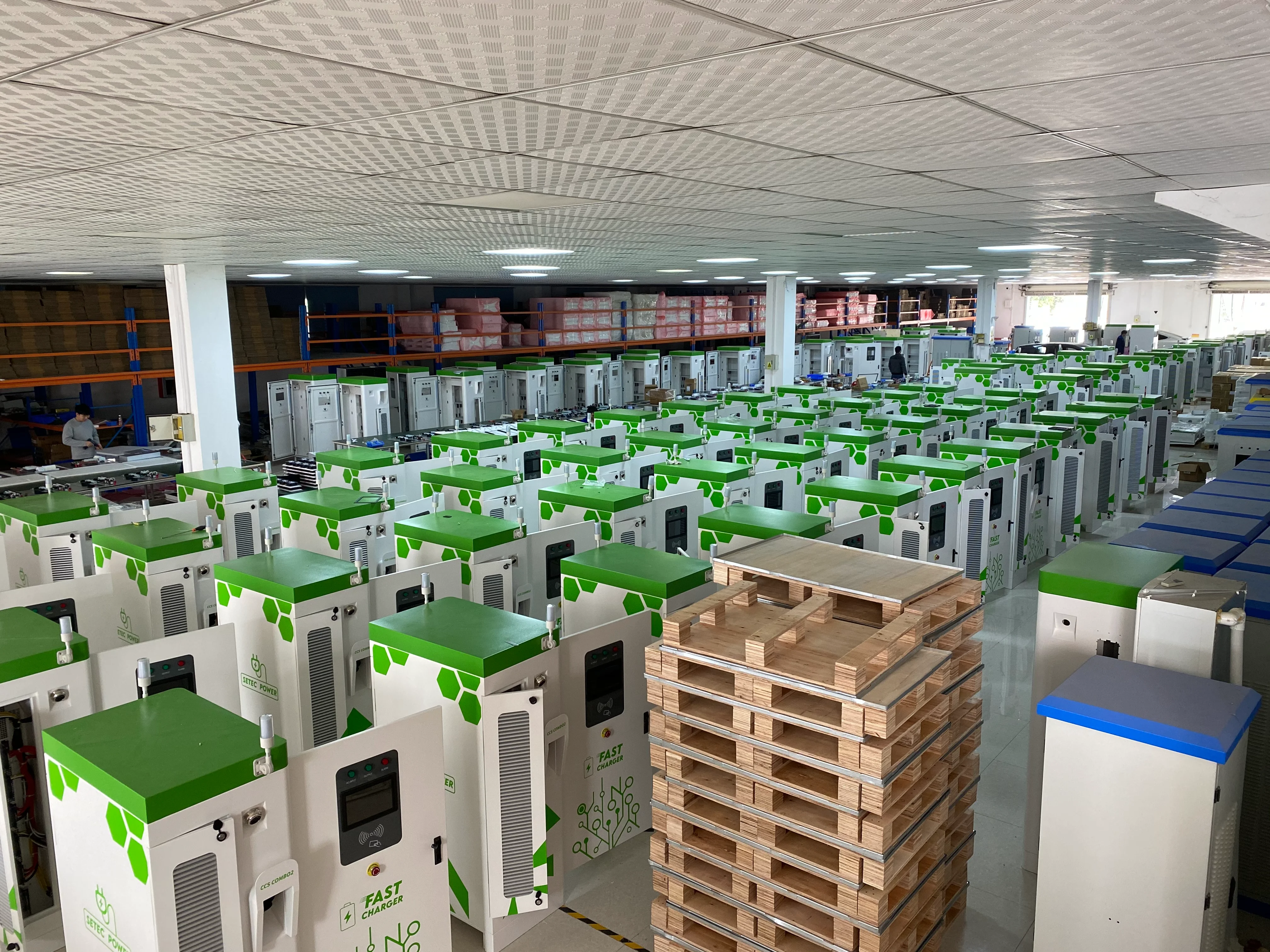
8. Final Testing and Quality Control
Before shipping, each charging station undergoes a comprehensive quality control process. This includes testing for electrical efficiency, safety features, and performance under various environmental conditions. International certifications like CE and UL are obtained to guarantee global safety and quality compliance.
Conclusion
The process of developing and manufacturing DC fast charging stations is complex and requires attention to detail at every stage. From market research and design to testing and production, manufacturers must ensure high-quality standards and user safety. As the EV market continues to grow, charging infrastructure will play an essential role in enabling the widespread adoption of electric vehicles, and manufacturers will remain key players in the development of sustainable transportation solutions.