Oct 06, 2026

Jul 16, 2026
As of 2026, the global EV charging market has surged to a valuation of USD 65.7 billion, driven by corridor fast-charging and fleet electrification. The industry leaders—Tesla, ChargePoint, and TELD—are no longer just hardware suppliers; they are sophisticated energy orchestrators. By leveraging AI-driven load balancing, megawatt-scale logistics support, and grid-interactive storage, these top 10 companies are defining the infrastructure backbone for the next decade of carbon-neutral transportation.
Having worked with power electronics for decades, I’ve seen few companies achieve the level of vertical integration that Tesla commands. With nearly 80,000 connectors globally as of mid-2026, Tesla has evolved from a "closed garden" to the universal standard. Their Supercharger network’s reliability isn't just about the hardware—it's the seamless handshake between the vehicle, the grid, and the app that makes them the industry’s North Star.
In 2026, Tesla is aggressively expanding into unconventional retail spaces, such as the recent partnership with 7-Eleven in Japan, proving that their goal is to make charging as accessible as buying a morning coffee.

ChargePoint’s brilliance lies in its "open" philosophy. They don't just sell chargers; they sell the management layer that makes them useful. For property managers and office park owners, their cloud platform is indispensable. By providing an agnostic hardware ecosystem, they allow facility operators to manage mixed fleets and public users under one unified dashboard.
If you want to see the future of energy, look at TELD. As the dominant player in China, TELD has integrated over 5,000 charging terminals into a sophisticated microgrid system. They treat EV batteries not just as loads, but as active grid-storage assets. Through their "PV-Energy Storage-Charging-Discharging" stations, they are actively peak-shaving for local utilities—a true "Virtual Power Plant" model that other regions are desperately trying to emulate.
| Metric | TELD’s Industrial Capability |
|---|---|
| Grid Interaction | Advanced bi-directional V2G/V2H integration |
| Scale | 170+ new energy micro-grid projects deployed |
Electrify America is the heavy lifter for long-distance travel in the Americas. Their strategy is simple: put 150kW to 350kW ultra-fast chargers where people need them most—on highway corridors. They are the primary reason why road-tripping in a non-Tesla EV is now a viable, stress-free reality for millions.
EnBW has successfully leveraged its background as a massive utility provider to build the largest high-power charging network in Germany. They understand that charging is a "destination experience." By co-locating their hyper-charging parks with retail hubs, they've solved the "dwell time" problem—turning a 20-minute charging stop into a productive retail window.

ABB is the engineer’s choice. In my own career, I’ve found that when you need gear that can survive a harsh industrial environment, you turn to ABB. They don't just care about the software—they focus on thermal management, component longevity, and high-duty-cycle reliability. They are the backbone of many government-led electrification projects globally.

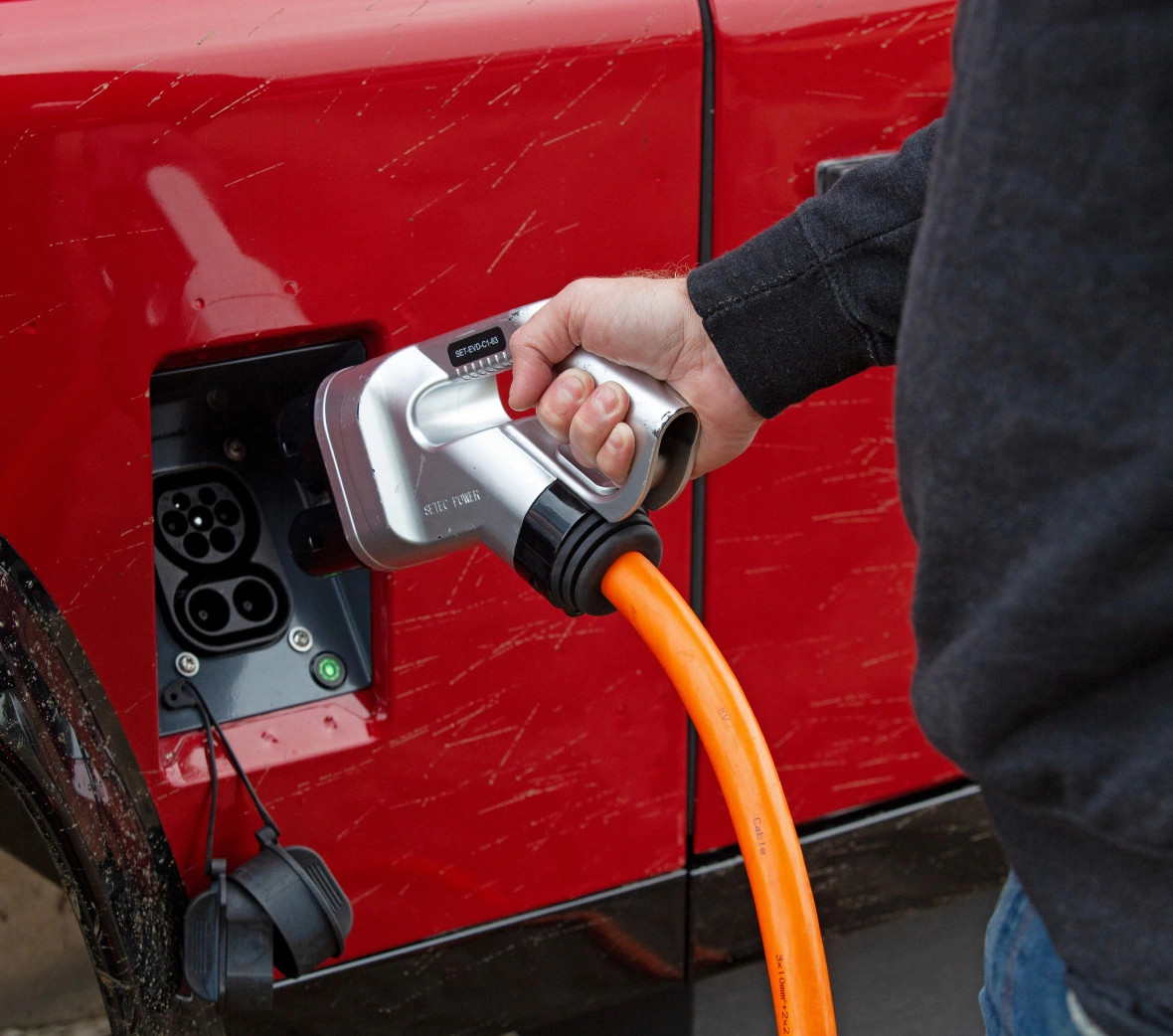
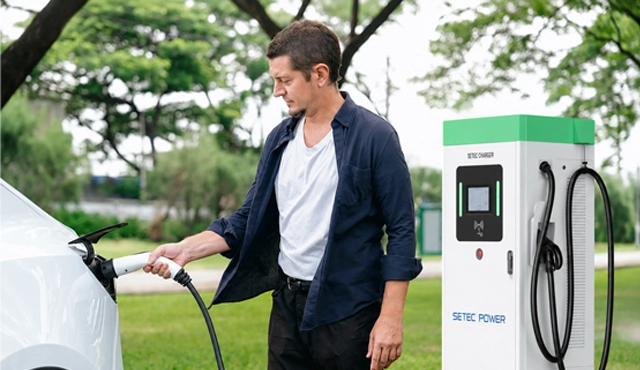
I have long admired Setec Power for their engineering agility. Unlike some giants that struggle to pivot, Setec specializes in highly modular, ruggedized DC Fast Charging solutions. Their "PowerOnTheGo" mobile solutions are a game-changer for fleets that need high-power charging in off-grid or temporary locations. With 21+ years of R&D experience, they offer the kind of deep-tech reliability that commercial and industrial partners demand.

TotalEnergies is the master of repurposing. They are systematically transforming their global legacy fuel station network into high-capacity electric charging hubs. This isn't just about selling electricity; it's about leveraging existing high-traffic land assets to capture the EV transition. They are the definition of an energy company successfully evolving for the 2030s.

Blink has become the favorite of multi-family property owners. Their flexible business model allows commercial clients to install charging infrastructure with minimal upfront capital, lowering the barrier to entry for apartment complexes, schools, and workplaces. Their wide footprint makes them a staple of the urban charging experience.

EVgo thrives where space is tight. By focusing on urban fast-charging clusters—often in partnership with major retailers—they provide high-speed power to city dwellers who lack home garages. Their focus on user experience and partnership with automakers like GM makes them a critical node in the urban mobility ecosystem.
The charging industry of 2026 is no longer a "wild west." It is a highly specialized infrastructure play. The companies above aren't just selling electricity; they are selling the reliability that the modern world requires to abandon fossil fuels. Whether it's the modular industrial strength of Setec Power or the consumer-grade ease of Tesla, each company serves a distinct and vital role in our global energy transition.
To dive deeper into the market dynamics and data behind these rankings, I recommend reviewing these resources: