Nov 05, 2026

Nov 05, 2026
Global electricity infrastructure splits into two dominant operating topologies: 220V–240V at 50Hz (utilized across roughly 80% of countries, including Europe, Oceania, and China) and 100V–127V/277V/480V at 60Hz (led by North America, parts of Latin America, and South Korea). Mismatched power inputs cause motor overheating, transformer core saturation, and control electronics failure. Sourcing certified power conversion systems, bidirectional inverters, and wide-input EV charging infrastructure remains vital for cross-border industrial operations.
1. The Historical Divide: Edison, Tesla, and Why One Global Grid Never Happened
2. 50Hz vs. 60Hz: Rotational Physics, Transformer Saturation, and Derating
3. Single-Phase vs. Three-Phase Topologies Across Key Regions
4. Comprehensive Global Directory: Voltage, Frequency, and Plug Types
5. Engineering Impact on EV Fast Chargers, Mobile Stations, and BESS Assets
6. Project Engineering Framework: Avoiding the Most Expensive Commissioning Mistakes
Over thirty years on power generation sites and commissioning factory yards from Munich to Monterrey, I have watched experienced engineers shake their heads at shipping manifests. A brand-new plant arrives on dock, only for the commissioning crew to discover the auxiliary pumps expect 50Hz while the local utility runs 60Hz. People ask: "Why did humanity settle on two conflicting electrical standards?"
The answer dates back to the late nineteenth-century "War of the Currents." Thomas Edison's early direct current system ran at 110V to match the optimal carbon-filament lamp. When Nikola Tesla developed three-phase alternating current with Westinghouse, they chose 60Hz because it stopped arc lights from flickering while avoiding high transmission impedance. Across the Atlantic, the German engineering giant AEG designed their generators around 50Hz to suit metric standards, stepping voltage up to 220V to reduce conductor mass. That early regional momentum froze into national concrete and copper that still dictates industrial procurement today.
Frequency (measured in Hertz) indicates how many times electrical current alternates direction every second. That metric determines synchronous shaft speeds for rotating machinery:
A standard 4-pole synchronous generator operates at 1,500 RPM on a 50Hz grid, but spins at 1,800 RPM on a 60Hz grid—a 20% increase in mechanical velocity. Forcing a 60Hz inductive motor onto a 50Hz feed reduces rotational speed by 17%, chokes internal cooling fans, drops back-EMF, and drives up thermal losses.
Transformers face similar stress. Transformer core sizing correlates inversely with frequency. Feeding a 60Hz step-down transformer with 50Hz power causes magnetic core saturation, high excitation currents, and rapid overheating unless operating voltage is derated by roughly 17%.
FAQ: Can I run a 50Hz industrial machine on a 60Hz utility grid?
Not without systematic evaluation. While pure resistive heating elements tolerate the transition, motors will spin 20% faster (often damaging centrifugal impellers), electronic clocks drift, and transformers risk core saturation. Equipment needs either a variable frequency drive (VFD), an active electronic frequency converter, or a verified factory dual-frequency rating.
Voltage delivery divides into two distinct operational tiers: single-phase for light commercial and residential receptacles, and three-phase electric power for industrial drives, data centers, and heavy infrastructure.
| Region / Market | Residential / Light Single-Phase | Commercial & Heavy Industrial 3-Phase | Standard Frequency |
|---|---|---|---|
| North America (USA, Canada, Mexico) | 120V / 240V Split-Phase | 208V / 240V / 277V / 480V / 600V | 60 Hz |
| European Union & United Kingdom | 230V Single-Phase | 400V / 415V Three-Phase (Wye) | 50 Hz |
| East Asia (China, Vietnam) | 220V Single-Phase | 380V Three-Phase | 50 Hz |
| Japan (East vs. West Split) | 100V Single-Phase | 200V Three-Phase | 50 Hz (Tokyo) / 60 Hz (Osaka) |
| Middle East & Gulf (Saudi Arabia, UAE) | 230V Single-Phase | 400V Three-Phase | 50 Hz (UAE) / 60 Hz (KSA) |
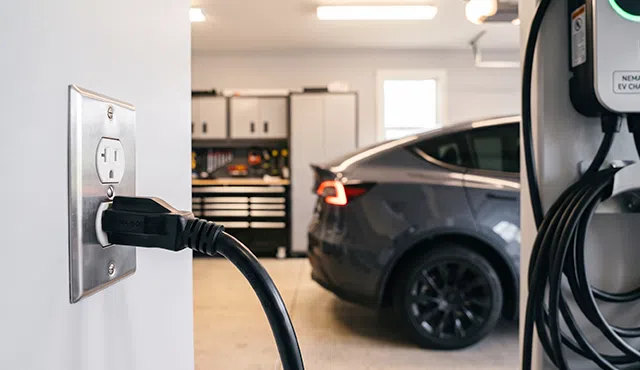
In Europe and Oceania, three-phase 400V power runs into residential utility rooms as standard practice. That allows simple installation of 11 kW and 22 kW AC EV chargers. In contrast, North American homes operate on 120V/240V split-phase power, requiring single-phase 32A to 48A circuits to achieve comparable delivery speeds.
This master index consolidates single-phase residential voltages, three-phase commercial voltages, AC line frequencies, and physical plug standard types across world nations and territories. Sourcing engineers, EPC developers, and equipment exporters should use this matrix as an initial technical screening tool prior to equipment procurement.
| Country / Territory | Single-Phase Voltage | Three-Phase Voltage | Frequency | Plug Type Standard |
|---|---|---|---|---|
| Afghanistan | 220V | 380V | 50 Hz | Type C, F |
| Albania | 230V | 400V | 50 Hz | Type C, F |
| Algeria | 230V | 400V | 50 Hz | Type C, F |
| American Samoa | 120V | 208V | 60 Hz | Type A, B, F, I |
| Andorra | 230V | 400V | 50 Hz | Type C, F |
| Angola | 220V | 380V | 50 Hz | Type C, F |
| Anguilla | 110V | 120/208V / 240/415V | 60 Hz | Type A, B |
| Antigua and Barbuda | 230V | 400V | 60 Hz | Type A, B |
| Argentina | 220V | 380V | 50 Hz | Type C, I |
| Armenia | 230V | 400V | 50 Hz | Type C, F |
| Aruba | 120V | 220V | 60 Hz | Type A, B, F |
| Australia | 230V | 400V | 50 Hz | Type I |
| Austria | 230V | 400V | 50 Hz | Type C, F |
| Azerbaijan | 220V | 380V | 50 Hz | Type C, F |
| Azores (Portugal) | 230V | 400V | 50 Hz | Type B, C, F |
| Bahamas | 120V | 208V | 60 Hz | Type A, B |
| Bahrain | 230V | 400V | 50 Hz | Type G |
| Balearic Islands (Spain) | 230V | 400V | 50 Hz | Type C, F |
| Bangladesh | 220V | 380V | 50 Hz | Type A, C, D, G, K |
| Barbados | 115V | 200V | 50 Hz | Type A, B |
| Belarus | 220V | 380V | 50 Hz | Type C, F |
| Belgium | 230V | 400V | 50 Hz | Type C, E |
| Belize | 110V / 220V | 190V / 380V | 60 Hz | Type A, B, G |
| Benin | 220V | 380V | 50 Hz | Type C, E |
| Bermuda | 120V | 208V | 60 Hz | Type A, B |
| Bhutan | 230V | 400V | 50 Hz | Type C, D, G |
| Bolivia | 230V | 400V | 50 Hz | Type A, C |
| Bonaire | 127V | 220V | 50 Hz | Type A, C |
| Bosnia and Herzegovina | 230V | 400V | 50 Hz | Type C, F |
| Botswana | 230V | 400V | 50 Hz | Type D, G |
| Brazil | 127V / 220V | 220V / 380V | 60 Hz | Type C, N |
| British Virgin Islands | 110V | 190V | 60 Hz | Type A, B |
| Brunei | 240V | 415V | 50 Hz | Type G |
| Bulgaria | 230V | 400V | 50 Hz | Type C, F |
| Burkina Faso | 220V | 380V | 50 Hz | Type C, E |
| Burundi | 220V | 380V | 50 Hz | Type C, E |
| Cambodia | 230V | 400V | 50 Hz | Type A, C, G |
| Cameroon | 220V | 380V | 50 Hz | Type C, E |
| Canada | 120V | 120/208V / 240V / 480V / 600V | 60 Hz | Type A, B |
| Canary Islands (Spain) | 230V | 400V | 50 Hz | Type C, E, F |
| Cape Verde | 230V | 400V | 50 Hz | Type C, F |
| Cayman Islands | 120V | 240V | 60 Hz | Type A, B |
| Central African Republic | 220V | 380V | 50 Hz | Type C, E |
| Chad | 220V | 380V | 50 Hz | Type C, D, E, F |
| Channel Islands (UK) | 230V | 415V | 50 Hz | Type C, G |
| Chile | 220V | 380V | 50 Hz | Type C, L |
| China (PRC) | 220V | 380V | 50 Hz | Type A, C, I |
| Colombia | 110V | 220V / 440V | 60 Hz | Type A, B |
| Comoros | 220V | 380V | 50 Hz | Type C, E |
| Congo (DRC) | 220V | 380V | 50 Hz | Type C, D, E |
| Congo (Republic) | 230V | 400V | 50 Hz | Type C, E |
| Cook Islands | 240V | 415V | 50 Hz | Type I |
| Costa Rica | 120V | 240V | 60 Hz | Type A, B |
| Cote d'Ivoire | 220V | 380V | 50 Hz | Type C, E |
| Croatia | 230V | 400V | 50 Hz | Type C, F |
| Cuba | 110V / 220V | 190V | 60 Hz | Type A, B, C, L |
| Curacao | 127V | 220V / 380V | 50 Hz | Type A, B |
| Cyprus | 230V | 400V | 50 Hz | Type G |
| Czech Republic | 230V | 400V | 50 Hz | Type C, E |
| Denmark | 230V | 400V | 50 Hz | Type C, E, F, K |
| Djibouti | 220V | 380V | 50 Hz | Type C, E |
| Dominica | 230V | 400V | 50 Hz | Type D, G |
| Dominican Republic | 120V | 120/208V / 277/480V | 60 Hz | Type A, B |
| East Timor (Timor-Leste) | 220V | 380V | 50 Hz | Type C, E, F, I |
| Ecuador | 120V | 208V | 60 Hz | Type A, B |
| Egypt | 220V | 380V | 50 Hz | Type C, F |
| El Salvador | 120V | 200V | 60 Hz | Type A, B |
| Equatorial Guinea | 220V | 380V | 50 Hz | Type C, E |
| Eritrea | 230V | 400V | 50 Hz | Type C, L |
| Estonia | 230V | 400V | 50 Hz | Type C, F |
| Ethiopia | 220V | 380V | 50 Hz | Type C, F |
| Falkland Islands | 240V | 415V | 50 Hz | Type G |
| Faroe Islands | 230V | 400V | 50 Hz | Type C, E, F, K |
| Fiji | 240V | 415V | 50 Hz | Type I |
| Finland | 230V | 400V | 50 Hz | Type C, F |
| France | 230V | 400V | 50 Hz | Type C, E |
| French Guiana | 220V | 380V | 50 Hz | Type C, D, E |
| Gabon | 220V | 380V | 50 Hz | Type C |
| Gambia | 230V | 400V | 50 Hz | Type G |
| Gaza Strip | 230V | 400V | 50 Hz | Type C, H |
| Georgia | 220V | 380V | 50 Hz | Type C, F |
| Germany | 230V | 400V | 50 Hz | Type C, F |
| Ghana | 230V | 400V | 50 Hz | Type D, G |
| Gibraltar | 230V | 400V | 50 Hz | Type G |
| Greece | 230V | 400V | 50 Hz | Type C, F |
| Greenland | 230V | 400V | 50 Hz | Type C, E, F, K |
| Grenada | 230V | 400V | 50 Hz | Type G |
| Guadeloupe | 230V | 400V | 50 Hz | Type C, E |
| Guam | 110V | 190V | 60 Hz | Type A, B |
| Guatemala | 120V | 208V | 60 Hz | Type A, B |
| Guinea | 220V | 380V | 50 Hz | Type C, F, K |
| Guinea-Bissau | 220V | 380V | 50 Hz | Type C |
| Guyana | 120V / 240V | 190V | 60 Hz | Type A, B, D, G |
| Haiti | 110V | 190V | 60 Hz | Type A, B |
| Honduras | 120V | 208V / 230V / 240V / 460V / 480V | 60 Hz | Type A, B |
| Hong Kong | 220V | 380V | 50 Hz | Type G |
| Hungary | 230V | 400V | 50 Hz | Type C, F |
| Iceland | 230V | 400V | 50 Hz | Type C, F |
| India | 230V | 400V | 50 Hz | Type C, D, M |
| Indonesia | 230V | 400V | 50 Hz | Type C, F |
| Iran | 230V | 400V | 50 Hz | Type C, F |
| Iraq | 230V | 400V | 50 Hz | Type C, D, G |
| Ireland (Eire) | 230V | 415V | 50 Hz | Type G |
| Isle of Man | 230V | 415V | 50 Hz | Type C, G |
| Israel | 230V | 400V | 50 Hz | Type C, H |
| Italy | 230V | 400V | 50 Hz | Type C, F, L |
| Jamaica | 110V | 190V | 50 Hz | Type A, B |
| Japan | 100V | 200V | 50 Hz (East) / 60 Hz (West) | Type A, B |
| Jordan | 230V | 400V | 50 Hz | Type C, D, F, G, J |
| Kazakhstan | 220V | 380V | 50 Hz | Type C, F |
| Kenya | 240V | 415V | 50 Hz | Type G |
| Kiribati | 240V | 415V | 50 Hz | Type I |
| Kosovo | 230V | 230V / 400V | 50 Hz | Type C, F |
| Kuwait | 240V | 415V | 50 Hz | Type G |
| Kyrgyzstan | 220V | 380V | 50 Hz | Type C, F |
| Laos | 230V | 400V | 50 Hz | Type A, B, C, E, F |
| Latvia | 230V | 400V | 50 Hz | Type C, F |
| Lebanon | 230V | 400V | 50 Hz | Type C, D, G |
| Lesotho | 220V | 380V | 50 Hz | Type M |
| Liberia | 120V | 208V | 60 Hz | Type A, B |
| Libya | 230V | 400V | 50 Hz | Type C, L |
| Liechtenstein | 230V | 400V | 50 Hz | Type C, J |
| Lithuania | 230V | 400V | 50 Hz | Type C, F |
| Luxembourg | 230V | 400V | 50 Hz | Type C, F |
| Macau | 220V | 380V | 50 Hz | Type G |
| Madagascar | 220V | 380V | 50 Hz | Type C, E |
| Madeira (Portugal) | 230V | 400V | 50 Hz | Type C, F |
| Malawi | 230V | 400V | 50 Hz | Type G |
| Malaysia | 240V | 415V | 50 Hz | Type G |
| Maldives | 230V | 400V | 50 Hz | Type C, D, G, J, K, L |
| Mali | 220V | 380V | 50 Hz | Type C, E |
| Malta | 230V | 400V | 50 Hz | Type G |
| Marshall Islands | 120V | 208V | 60 Hz | Type A, B |
| Martinique | 220V | 380V | 50 Hz | Type C, D, E |
| Mauritania | 220V | 220V / 380V | 50 Hz | Type C |
| Mauritius | 230V | 400V | 50 Hz | Type C, G |
| Mayotte | 230V | 400V | 50 Hz | Type C, E |
| Mexico | 127V | 220V / 480V | 60 Hz | Type A, B |
| Micronesia | 120V | 208V | 60 Hz | Type A, B |
| Moldova | 230V | 400V | 50 Hz | Type C, F |
| Monaco | 230V | 400V | 50 Hz | Type C, E, F |
| Mongolia | 230V | 400V | 50 Hz | Type C, E |
| Montenegro | 230V | 400V | 50 Hz | Type C, F |
| Montserrat | 230V | 400V | 60 Hz | Type A, B |
| Morocco | 220V | 380V | 50 Hz | Type C, E |
| Mozambique | 220V | 380V | 50 Hz | Type C, F, M |
| Myanmar (Burma) | 230V | 400V | 50 Hz | Type A, C, D, G, I |
| Namibia | 220V | 380V | 50 Hz | Type D, M |
| Nauru | 240V | 415V | 50 Hz | Type I |
| Nepal | 230V | 400V | 50 Hz | Type C, D, M |
| Netherlands | 230V | 400V | 50 Hz | Type C, F |
| New Caledonia | 220V | 380V | 50 Hz | Type C, F |
| New Zealand | 230V | 400V | 50 Hz | Type I |
| Nicaragua | 120V | 208V | 60 Hz | Type A, B |
| Niger | 220V | 380V | 50 Hz | Type C, D, E, F |
| Nigeria | 230V | 415V | 50 Hz | Type D, G |
| North Korea | 220V | 380V | 50 Hz | Type C |
| North Macedonia | 230V | 400V | 50 Hz | Type C, F |
| Northern Ireland (UK) | 230V | 415V | 50 Hz | Type G |
| Norway | 230V | 230V / 400V (IT/TN Grid) | 50 Hz | Type C, F |
| Oman | 240V | 415V | 50 Hz | Type G |
| Pakistan | 230V | 400V | 50 Hz | Type C, D |
| Palau | 120V | 208V | 60 Hz | Type A, B |
| Panama | 120V | 240V | 60 Hz | Type A, B |
| Papua New Guinea | 240V | 415V | 50 Hz | Type I |
| Paraguay | 220V | 380V | 50 Hz | Type C |
| Peru | 220V | 220V / 380V | 60 Hz | Type A, B, C |
| Philippines | 220V | 380V | 60 Hz | Type A, B, C |
| Pitcairn Islands | 230V | 400V | 50 Hz | Type I |
| Poland | 230V | 400V | 50 Hz | Type C, E |
| Portugal | 230V | 400V | 50 Hz | Type C, F |
| Puerto Rico | 120V | 480V | 60 Hz | Type A, B |
| Qatar | 240V | 415V | 50 Hz | Type G |
| Reunion Island | 230V | 400V | 50 Hz | Type C, E |
| Romania | 230V | 400V | 50 Hz | Type C, F |
| Russia | 220V | 380V | 50 Hz | Type C, F |
| Rwanda | 230V | 400V | 50 Hz | Type C, J |
| Saba | 110V | 190V | 60 Hz | Type A, B |
| Saint Barthelemy | 230V | 400V | 50 Hz | Type C, E |
| Saint Helena | 230V | 400V | 50 Hz | Type G |
| Saint Kitts and Nevis | 230V | 400V | 60 Hz | Type D, G |
| Saint Lucia | 230V | 400V | 50 Hz | Type G |
| Saint Martin (French) | 220V | 380V | 60 Hz | Type C, E |
| Saint Vincent and the Grenadines | 110V / 230V | 400V | 50 Hz | Type A, B, G |
| Samoa | 230V | 400V | 50 Hz | Type I |
| San Marino | 230V | 400V | 50 Hz | Type C, F, L |
| Sao Tome and Principe | 230V | 400V | 50 Hz | Type C, F |
| Saudi Arabia | 230V | 380V / 400V | 60 Hz | Type G |
| Scotland (UK) | 230V | 415V | 50 Hz | Type G |
| Senegal | 230V | 400V | 50 Hz | Type C, D, E, K |
| Serbia | 230V | 400V | 50 Hz | Type C, F |
| Seychelles | 240V | 240V / 415V | 50 Hz | Type G |
| Sierra Leone | 230V | 400V | 50 Hz | Type D, G |
| Singapore | 230V | 400V | 50 Hz | Type G |
| Sint Eustatius | 110V / 220V | 220V | 60 Hz | Type A, B, C, F |
| Sint Maarten (Dutch) | 110V | 220V | 60 Hz | Type A, B |
| Slovakia | 230V | 400V | 50 Hz | Type C, E |
| Slovenia | 230V | 400V | 50 Hz | Type C, F |
| Solomon Islands | 230V | 400V | 50 Hz | Type G, I |
| Somalia | 220V | 380V | 50 Hz | Type C |
| Somaliland | 220V | 380V | 50 Hz | Type C |
| South Africa | 230V | 400V | 50 Hz | Type C, D, M, N |
| South Korea | 220V | 380V | 60 Hz | Type C, F |
| South Sudan | 230V | 400V | 50 Hz | Type C, D |
| Spain | 230V | 400V | 50 Hz | Type C, F |
| Sri Lanka | 230V | 400V | 50 Hz | Type D, G |
| Sudan | 230V | 400V | 50 Hz | Type C, D |
| Suriname | 127V / 230V | 220V / 400V | 60 Hz | Type A, B, C, F |
| Swaziland (Eswatini) | 230V | 400V | 50 Hz | Type M |
| Sweden | 230V | 400V | 50 Hz | Type C, F |
| Switzerland | 230V | 400V | 50 Hz | Type C, J |
| Syria | 220V | 380V | 50 Hz | Type C, E, L |
| Tahiti (French Polynesia) | 220V | 380V | 50/60 Hz | Type C, E |
| Taiwan | 110V | 220V | 60 Hz | Type A, B |
| Tajikistan | 220V | 380V | 50 Hz | Type C, F |
| Tanzania | 230V | 415V | 50 Hz | Type D, G |
| Thailand | 230V | 400V | 50 Hz | Type A, B, C, O |
| Togo | 220V | 380V | 50 Hz | Type C |
| Tonga | 240V | 415V | 50 Hz | Type I |
| Trinidad and Tobago | 115V | 230V / 400V | 60 Hz | Type A, B |
| Tunisia | 230V | 400V | 50 Hz | Type C, E |
| Turkey | 230V | 400V | 50 Hz | Type C, F |
| Turkmenistan | 220V | 380V | 50 Hz | Type C, F |
| Turks and Caicos Islands | 120V | 240V | 60 Hz | Type A, B |
| Uganda | 240V | 415V | 50 Hz | Type G |
| Ukraine | 230V | 400V | 50 Hz | Type C, F |
| United Arab Emirates (UAE) | 230V | 400V | 50 Hz | Type G |
| United Kingdom (UK) | 230V | 415V | 50 Hz | Type G |
| United States of America | 120V | 208V / 240V / 277V / 480V | 60 Hz | Type A, B |
| Uruguay | 220V | 380V | 50 Hz | Type C, F, L |
| Uzbekistan | 220V | 380V | 50 Hz | Type C, F |
| Vanuatu | 230V | 400V | 50 Hz | Type I |
| Venezuela | 120V | 120V / 208V / 240V | 60 Hz | Type A, B |
| Vietnam | 220V | 380V | 50 Hz | Type A, C, D |
| Virgin Islands (British) | 110V | 190V | 60 Hz | Type A, B |
| Virgin Islands (U.S.) | 110V | 190V | 60 Hz | Type A, B |
| Wales (UK) | 230V | 415V | 50 Hz | Type G |
| Yemen | 230V | 400V | 50 Hz | Type A, D, G |
| Zambia | 230V | 400V | 50 Hz | Type C, D, G |
| Zimbabwe | 240V | 415V | 50 Hz | Type D, G |
Grid variation directly shapes power electronics engineering. In consumer hardware, a miniature switch-mode adapter handles 100V to 240V via internal pulse-width modulation. In contrast, megawatts of heavy industrial conversion require precise voltage-to-frequency matching.
A standard 120 kW to 360 kW DC fast charging dispenser bypasses vehicle onboard converters to push high-voltage DC directly into the battery pack. But the frontend of that charger connects directly to local utility infrastructure:
North American Installations: Rectifier modules pull power from a 480V AC 3-phase, 60Hz delta or wye interconnection.
European and Asian Installations: Systems run on 400V AC 3-phase, 50Hz wye feeds with neutral lines.
Selecting multi-standard charging systems like a commercial-grade DC Fast Charger equipped with wide-input, auto-ranging active front end (AFE) rectifiers ensures reliable field performance across 380V to 480V inputs without costly isolation transformer modifications. For mixed fleets and long-haul logistics corridors, coupling dual-standard hardware like a certified CCS Charger delivers complete physical and electrical protocol compatibility.
Mobile roadside rescue units or containerized wheel-mounted emergency chargers operate outside stable utility rooms. If a mobile charging station charges its internal storage pack from an industrial wall outlet, its internal charger must handle wide input swings (e.g., 200V–480V AC, 50/60Hz auto-sensing). When operating off-grid to rescue stranded commercial vehicles, its internal inverters must establish clean, stable output independent of local grid anomalies.
In stationary storage installations, the Power Conversion System (PCS) serves as the bidirectional bridge between direct current lithium cells and the alternating current grid. Sourcing a commercial Bess requires configuring the PCS firmware for local grid codes:
Grid-Following Mode: The PCS synchronizes internal frequency and voltage phase angles directly to existing utility lines via phase-locked loops (PLL).
Grid-Forming Mode: In off-grid microgrids or during utility blackouts, the PCS establishes voltage and frequency baselines from scratch (e.g., maintaining 400V at 50.00 Hz or 480V at 60.00 Hz), managing downstream harmonic loads without utility assistance.
Thirty years on industrial sites teaches one rule: never rely on published nominal values when purchasing utility-scale equipment. In emerging economies and mining corridors across Africa, South America, and Central Asia, published regulations regularly conflict with real-world line conditions. Long distribution feeders experience voltage sags of 15% to 25%, while unstable hydro or diesel grids show continuous frequency flutter between 48Hz and 53Hz.
Protect project capital with this four-step engineering audit:
Deploy Power Quality Analyzers: Record voltage, frequency, total harmonic distortion (THD), and phase balance at the point of common coupling for a minimum of seven consecutive operating days.
Verify Transformer Tap Changers: Ensure distribution transformers include de-energized tap changers (±2.5%, ±5%) to compensate for persistent line-voltage drops.
Review Grid Interconnection Protection Settings: Confirm that under-voltage, over-voltage, under-frequency, and over-frequency trip thresholds match regional utility interconnection standards (e.g., IEEE 1547 in North America, VDE-AR-N 4105 / 4110 in Germany).
Check Grounding Topology: Confirm whether the site operates on a TN-S, TN-C-S, TT, or ungrounded IT electrical system. Forcing equipment designed for TN-S supplies onto an IT grid destroys internal surge suppressors (MOVs) within seconds of energization.
Q: What happens if you plug a 50Hz transformer into a 60Hz power source?
The transformer runs cooler and handles power safely because higher frequency decreases core magnetic flux density. However, running a 60Hz transformer on a 50Hz power supply increases flux density by roughly 20%, causing core saturation, high idle currents, and severe overheating.
Q: Why does Japan have two different power grid frequencies?
In 1895, the Tokyo Electric Light Company purchased a 50Hz generator from AEG in Germany. A year later, the Osaka Electric Lamp Company purchased a 60Hz generator from General Electric in the United States. Neither city replaced their hardware, dividing Japan's grid down the middle to this day. Four frequency-converter substations link the eastern and western networks.
Q: Can a 480V 3-phase charger run directly on a 400V European grid?
Not without an auto-transformer or wide-voltage PCS rectifiers. Supplying 400V to a fixed 480V unit triggers under-voltage fault locks, preventing DC contactors from closing.
Differences in national voltage and frequency standards represent more than travel inconveniences—they define the baseline requirements of electrical engineering. The divide between 50Hz and 60Hz networks and regional voltage levels influences transformer sizing, motor efficiency, switchgear safety, and battery storage integration.
For project developers, industrial operators, and fleet managers deploying cross-border charging and storage infrastructure, confirming electrical standards before purchase protects equipment budgets. Pairing regional field audits with adaptable, wide-input power electronics ensures dependable uptime across every operating market.
Authoritative technical references and global infrastructure reports cited in this guide: International Energy Agency (IEA) Global Energy & Infrastructure Outlook, World Bank Global Electrification Database, and International Electrotechnical Commission (IEC World Plugs and Voltages Standards).